
As requested by a client and my Wife this blog article will be about the spiritual significance of the bladder and urinary tract.
Like previous articles, I will start with some anatomy and some scientific understandings before going into the more spiritual side. Please do go and do some research yourself to go deeper as I won’t cover everything from the established medical view-point. Please be careful of the official medical profession’s advice however. As you may have seen in my previous articles their advice can often be detrimental unfortunately.
The kidneys are very closely related to the bladder physically and spiritually. Generally the kidneys are related to the ability to sort through and choose to let go of something, whereas the bladder is more about whether you hold onto or not that thing you’ve chosen to or start to choose about letting go of. I will at some point do an article on the kidneys and it’ll be worth looking into if you have bladder issues and vice versa.
A lot of kidney issues affect the bladder. Kidney stones have to pass through the kidneys, ureters, bladder and urethra. Also for example, urinary tract infections (UTIs) & bladder infections can pass upwards towards the kidneys.
The tissues and organs around the bladder and urethra (such as the prostate in males pressing on and affecting urinary flow) can affect urination so it’ll be worth looking into other organs I’ll write about in the future too.
Anatomy & function
As with previous articles, knowing the anatomy can greatly help in sensing into your organs for healing purposes and for helping with body-scanning types of meditation such as Goenka’s style of vipassana.
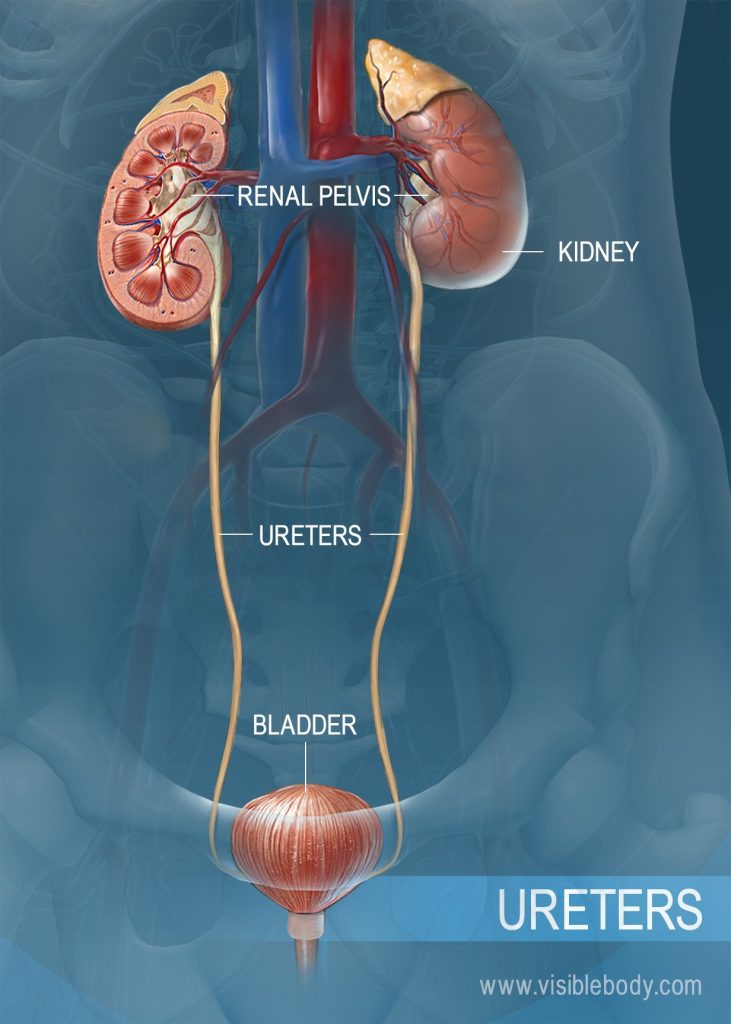
The bladder in men and women is located behind the pubic bone at the front of the pelvis. At the top of the bladder are attached the two ureters, where the urine from the kidneys flows into the bladder. At the bottom is the sphincter muscle that stops urine from flowing out of the bladder into the urethra which is where we pee from.
Obviously in men the urethra is longer due to travelling inside the penis. In women you have the womb behind the bladder and the birth canal behind the urethra. Surrounding the urethra in women is the clitoris and g-spot which is actually one organ. In men surrounding the urethra is the prostate. The sperm ducts which supply semen from the testes also join onto the urethra inside the prostate. I will cover these organs in more detail in future articles and they are worth looking into if you have any issues with the urethra.
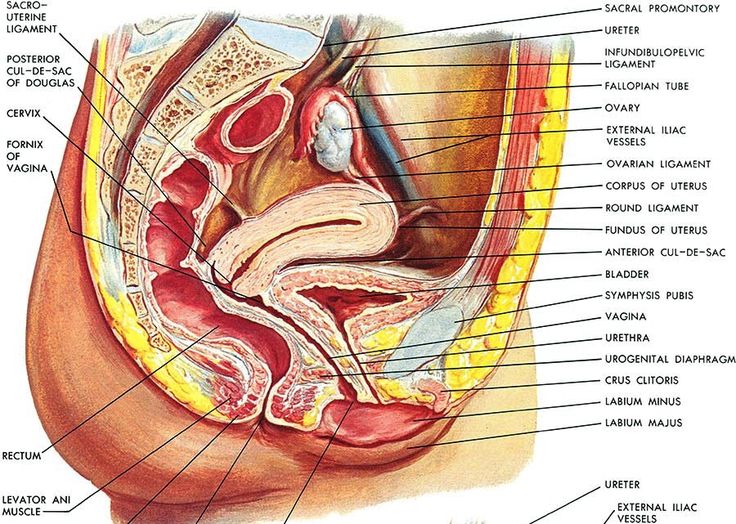
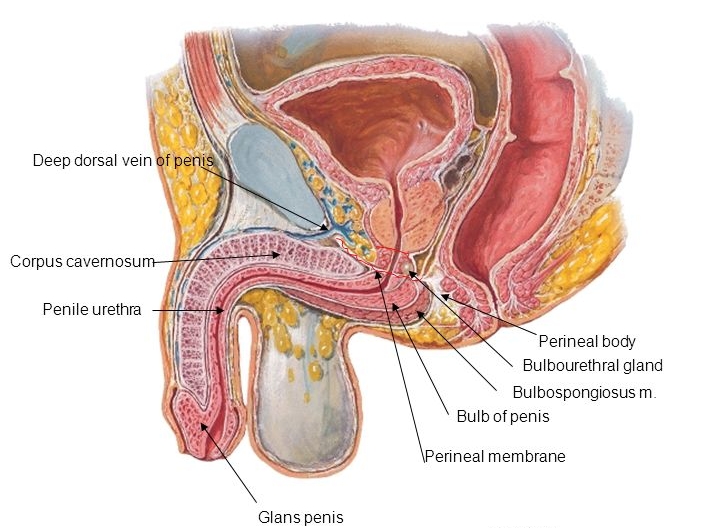
The muscle of the bladder is called the detrusor muscle. It is supposedly one of the strongest muscles in the body and is able to easily force the urine out of the bladder at high pressure so that urinating doesn’t take too long.
Physiologically the only function of the bladder is to store urine so that we can pee it out when we wish rather than constantly dribble urine all day! In alternative circles there are claims that the bladder can actually reabsorb some or all of the urine through its walls.
I’ve not seen the evidence myself but there are claims that some scans of the bladders of yogis have shown how they are able to reabsorb urine. They say that this is one of the ways they can live of little or no food and drink. Just a curiosity for you to explore if you’re interested but not really useful for most if not all of us!
Physical world things that affect the bladder
Toxins & chemicals, including pharmaceuticals
I have mentioned this in many articles in the past. There are huge sources of chemicals of all kinds in the modern world, many of which are toxic and damaging to the bladder. Of course many chemicals should be detoxified by the liver and various bodily chemicals and enzymes before getting to the bladder, but the body is not perfect and especially when we are exposed to large amounts like we often are in the modern world many do reach and affect the bladder.
If you take a lot of pharmaceutical drugs you absolutely must consider how much damage they may be doing to your kidneys and bladder as a lot of them and/or their by-products pass through the urinary system and the kidneys are a good example of organs that get negatively affected by them.
It is far better to look into and cut out sources of toxins in your life than it is to go on a detox every now and again or only focus on trying to take things that benefit the bladder in some way. I won’t repeat over and over again the chemical sources to look out for, so consider what I wrote in my thyroid article here.
A lot of these toxins can lead to irritation of the bladder walls leading to inflammation of the bladder and urinary tract, a weakening of the immune system there and hence urinary tract infections (UTIs) and even bladder cancers.
In men, excess toxins are one of the main reasons why prostate cancer has increased over the years because the toxins pass through the bladder walls and into the prostate, due to its close proximity.
Also, toxic exposure in the kidneys will affect the kidney’s ability to filter your blood and create urine. The concentration of urine and the amount of substances that leak through the kidneys that shouldn’t, such as certain proteins, can affect UTIs for example.
Not enough or poor quality of water intake
Water is obviously the main component of urine and the more that is present in the body, the better the kidneys and urinary tract can flush out unwanted chemicals and reduce the risk of diseases caused by toxins.
Though it is possible to die from drinking too much water as was shown with Asian game show competitors trying to win games consoles in the past, you would have to drink an insane amount of water for that to happen. Water needs will vary by how big a person is, what climate they live in etc but generally the 2 liters recommendation is something good to aim for.
The quality of water is also important. I will do an article on all the amazing qualities of water at some point in the future, including it’s memory, healing and other weird properties. For now, understand that tap water in all countries will contain varying trace amounts of all sorts of chemicals. Flouride found in many water supplies around the world is very toxic (especially to sensitive tissues like the thyroid and nerve cells) for example.
Though most people have heard of the major chemicals in water not many know how much of contraceptives, pain-killers, recreational drugs, other pharmaceutical drugs and household and industrial chemicals make it into our tap water. A surprising amount of female contraceptive medications and cocaine was found in London tap water for example.
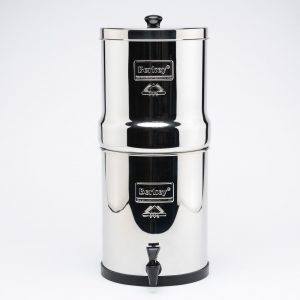
There are many methods of purifying water and I highly recommend looking into it as a long-term health benefit practice. Some methods are useless or become bad after some time and some filters actually add toxins unfortunately so please do your research. If you want to go into the subject of filters and other water purification methods, you can read an older article I wrote here.
Poor urination habits
This can be a major factor in some of the diseases mentioned below. The main habit that is detrimental, is not going to the toilet when you body signals to you that you should pee.
The bladder expands as it takes on more urine. Sensors in the bladder wall signal that that bladder is getting fuller. Once a certain threshold is reached, the nervous system will signal this to you, which you’ll experience as an urgency to pee.
If you continually ignore this signal, whether you have a “good excuse” or not (such as work priorities, your teacher/boss not letting you go to the toilet or not wanting to get out of a comfortable bed to go pee etc etc) then you will start to be less sensitive to such signals and your body will even remove these sensory cells from your bladder wall over time, making it harder to know you need to pee.
This is a major cause of urinating when you don’t wish to later in life. See urinary incontinence below.
Also the bladder walls can smooth out over time from over stretching if you resist peeing. This can make it easier to have UTIs due to the damage to the tissues.
Keeping urine in the bladder for longer obviously means that you are also keeping potential toxins exposed to the bladder wall again increasing the risk of bladder diseases.
If you really wait too long then, urine can also start to build up in the ureters towards the kidneys, increasing the risk of infection in those areas as well as creating backward pressure and potential damage to the kidneys.
In short, always pay attention to your bladder feelings and go to the toilet when you feel the signals. You can repair nerve damage over time simply by listening to you body, in this case the bladder, and respond by going to the toilet when you get the signal. Getting caught without a way to go to the toilet every now and again is normal and nothing to worry about but what is key is keeping good daily habits.
Poor hygiene
An obvious one but something some people don’t think of, especially men I would guess. This is partly due to the fact that women’s urethras, birth canals and anuses are closer together and thus women tend to be more aware of such issues. Don’t wipe from back to front as mothers would say!
Washing regularly is key but also pay attention to what chemicals you are using to wash yourself as there are unfortunately a lot of chemicals in cleaning products these days and you also want to be careful of not affecting the microbiome (the “good” bacteria) that are needed in each area nor do you want to mix the bacteria from the anus, vaginal or urethra areas.
The gut microbiome can have a huge effect on the vaginal and urinary bacteria so looking into improving your diet can work wonders for some people on urinary tract issues. A good nutritionist or naturopath may help if you wish to explore this.
Poor medical testing and treatment
I thought I’d throw this in seeing as I know people who have been negatively affected by the established medical professions. As many of you know, I started off as a biochemist in hospital labs in the UK, so I know first-hand knowledge of this sort of thing.
This is especially regarding UTIs. As some of you might know and as I mentioned above, the types and amounts of bacteria in your bodies has a huge impact on health. The trouble is that mainstream medicine only tests for certain types of bacteria not all of them. Antibiotics will affect certain types of bacteria more than others but usually will affect many types in one go.
I say this because many of the antibiotics that are commonly prescribed for various illnesses will kill off bacteria all over the body including many of the beneficial bacteria too (such as those that produce vitamin K2 for us or ward off the more harmful bacteria). In addition laboratory testing will not test for the beneficial bacteria that those antibiotics kill off. It is also worth noting that some of the more harmful types of bacteria are good at protecting themselves from the immune system and from antibiotics.
This leads often to a cycle of higher risks of infections returning and doctors prescribing yet more antibiotics that kill off more and more of the beneficial bacteria. Some people with chronic UTIs are found to be stuck in this cycle until they find alternative practitioners that do test for more strains of bacteria and are given supplements/diets containing or encouraging the abundance of the bacteria they have been missing.
As a side note,I was listening to a podcast yesterday about the research on how meditation of all types have a measurable effect on balancing the gut microbiome. It was somewhere in the middle of this podcast with Huberman and Dr. Richard Davidson.
Lack of movement
Should be an obvious one but movement of tissues and therefore fluids in the body is vital to the health of the body. I have mentioned this many times and it is one of the key principles of osteopathy as I was taught at university.
Movement of any kind, even a gentle walk each day, is beneficial to getting fluids and tissue movement in and around the bladder for better bladder tissue health. We are so much more sedentary on average and all this sitting we are doing is not good for our bladders and all the other organs in the pelvis and elsewhere in the body.
There are exercises that you can use to supplement this such as pelvic floor exercises where you can tense on and off multiple times a day the same muscles that you use to stop yourself from peeing. The benefits of this aren’t just for bladder health but also for all the other organs close by and as such can help with rectal diseases and even stronger orgasms for example!
If you are not sure about tensing and feeling into the pelvic floor, then I recommend you try out pilates exercises especially with an instructor privately or in a class.
For some people, they may want to explore putting (a clean finger!) into their rectum or birth canal to massage surrounding tissues to encourage better fluid mechanics and thus health of those organs. Please research this before doing it. While it is generally better for certain conditions than others, such as prostate enlargement in males, it can also help with the bladder. And yes this is one of the other benefits of regular sexual intercourse.
Breathing
Breathing is something many people underestimate. It is one of the primary drivers of tissue and fluid movement in the body so ties in nicely with the section above on fluid mechanics and health.
Many people don’t breathe deep into their body. Especially when stressed, people tend to breathe in their upper torso rather than allowing the intestinal area and below to expand. When you breathe deeply, usually when you are more relaxed, you will move the tissues in the pelvic area and so massage the pelvic organs, including bladder.
Some people try not to relax their bellies so as not to look fat. In addition many clothes in the modern world tend to compress the lower abdomen, such as the elastic portion of sweatpants or the use of belts etc. Underwear often compresses the lower abdomen and/or genital region. Even men’s underwear these days tends to be tighter than they were. This limits the movement of fluids including lymphatic fluid through this region as well as creating a habit of not breathing into the lower abdomen due to being used to clothes compressing there.
So learning to breathe lower in the body as well as looking at and removing particularly restrictive clothing can be useful for everyone.
Clothes
As well as clothing fit, it is worth paying attention to what materials your underwear is made of and clothes in general too for the health of the rest of your body.
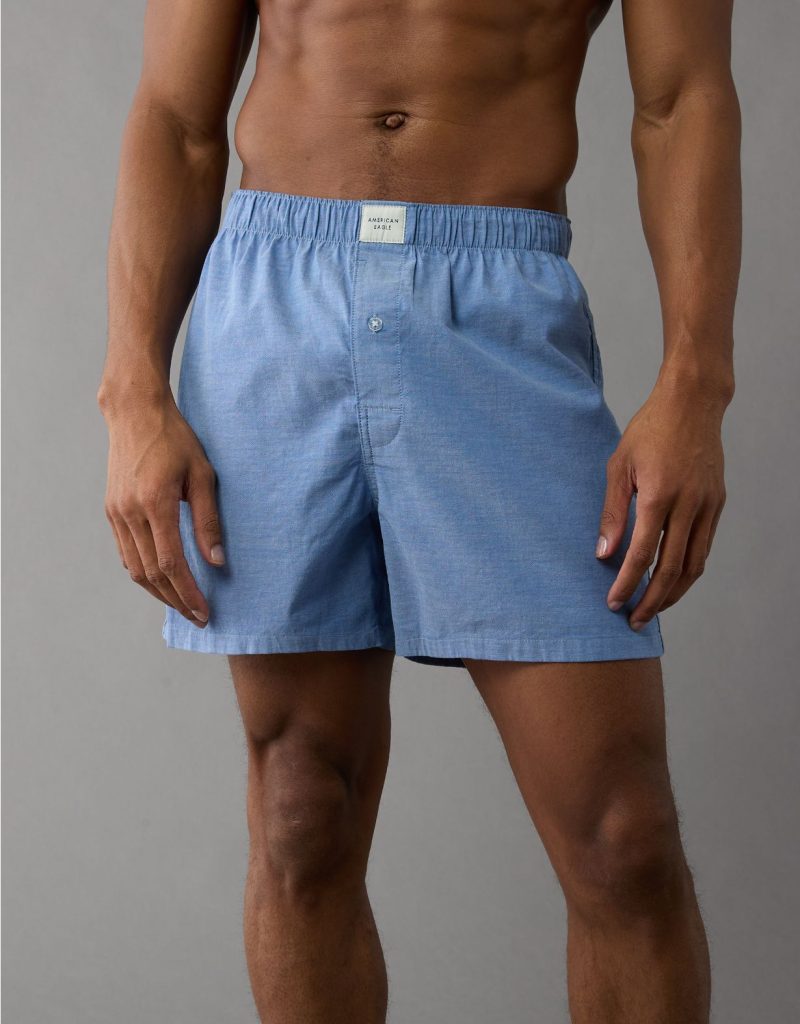
Certain fabrics will allow better movement or better airflow than others. Certain fabrics will also promote health better than others due to the vibration of the molecules in the fabric. Man-made fibers such as polyester are particularly poor for tissue health. There are a lot of micro-plastics that can enter our skin through the use of synthetic materials and in addition many of them irritate our skin or provide due to vibration a place for unwanted bacteria to thrive.
More natural materials such as cotton and silk have a higher vibratory state and are better for the cells of our body. If you can find organic fabrics like you can find easily in shops here in Sweden they buy those. Many chemicals are found on clothes especially newly bought ones (notice how there are no moth balls in shops yet they stay free of pests such as moths – no mistake!) so please make sure you wash new clothes at least once before use!
Closely fitting underwear especially in women can be a bridge for bacteria to travel from one orifice to another, not just a breeding ground. Something to bear in mind if you suffer from UTIs for example.
OK, let’s start looking into some of the more common bladder and urinary tract issues, as well as bladder issues in general…
The bladder energetically in general
As you’ll see in more detail with each case below, bladder issues relate to not letting go of something you know doesn’t serve you. Letting go is the key phrase.
Very often it is refusing to let go. As I have mentioned above, the kidneys are usually where you or your subconsciousness make a decision to let go of or realise that letting go of XYZ would be beneficial to you. The bladder is where you store such things until you actually do let go of them.
Many of us have said to ourselves that it would be good to change this or that about ourselves so that we can be better in one way or another. If you haven’t gotten around to actually following through with that thought process and thus are holding onto the old version of yourself, then don’t be surprised if stagnant energy is building up in your bladder!
So quite often the issues in the bladder are usually known to some extent but there is an unwillingness to let go and/or there has been no effort to follow through. This is why I often say that fears, especially fears of survival get stuck in the bladder.
Those fears relate to who would you be if you really did let go of XYZ. Quite often they are beliefs, habits or defenses that probably did help you survive or get through tough times in life. However many of these also hinder you from moving forwards and becoming the version of you, you truly wish.
The fear is that if you let go of them then you may be vulnerable, expose yourself to risk or judgement from others. Sometimes they relate to survival in terms of being supported in life and as such can be related to money, resources, support from family members/friends/co-workers/governments/society or this reality in general. There is a lot that can be said about the bladder and your ability to manage resources therefore which I will cover in more detail in the incontinence section below. A great explanation of this can be found here, written by one of the other healer’s out there that I have be inspired by many times in the past.
Along with the fear of letting go and trying something new there is often blame or resentment stored in the bladder towards the people and structures of society that are perceived to be unsupportive of you and make you constantly feel like you’re in survival mode. If it is more self-directed such as knowing that you could have made better choices regardless of others and other circumstances around you, then there may be a lot of guilt instead.
Another emotion to consider with certain bladder and urinary tract issues is anger. Inflammation and any other form of irritation to tissues of the body can be considered a form of anger, whether we call it anger itself or annoyance, irritation or frustration. These are more common in infections and energetically you can sum it up in the common phrase “pissed off”. You can just as easily be pissed off at yourself as with others and sometimes this anger comes up because you are actually starting to move out of guilt and resentment towards something better. Thus it could possibly be an indication of wanting to let go and move into something new, though people can get stuck in the anger phase and cause further irritation.
As you may gather, bladder issues relate a lot to holding onto the past. The solution then is to realise that you are not your past. The past doesn’t have to dictate the future. While you cannot change the past, you can learn from the mistakes of the past and change what you do in the present to create the future you wish for.
Many people focus and get stuck on how you let go of something that does not serve you which can also perpetuate stagnant energies in the bladder. While understanding the past is useful, getting caught in memories of the past can keep you manifesting more of it.
The solution to letting go is to BE something different. The past mistakes are a guide of what not to do or of what you don’t wish for, so that you can explore new and different options.
If you focus on creating something new (The bladder is affected by the creative energies of the 2nd chakra after all), being productive and working on or exploring new possible goals in life, then you’ll find that sooner or later you won’t be thinking of nor investing in the past. This is the true key to letting go.
Bladder cancer
As most people know, cancer is an uncontrolled multiplication of cells in the body. Those cells are often found with mutations, due to genetic damage, that can turn them into cells that shouldn’t be present in that area.
In about 80% of cases, bladder cancer affects the tissues inside the bladder and in 20% of cases it affects the bladder in a way that could affect surrounding tissues. In the former case bladder cancers are typically treated from within and in the latter case surgery is typically offered due to not being able to work from the inside.
I will do a separate article on cancers in the future as there are some issues I have with the way the established medical professions deal with cancer and how they actually increase the risk of metastases and cancers coming back, after barbaric treatments such as chemotherapy and/or radiotherapy.
Physically looking into the advice given in the previous section to improve bladder health and indeed overall health to give the body a chance to correct the cancer or at the very least recover from the more invasive medical profession’s solutions is important. Toxic exposure and/or stagnation due to poor fluid movement in the body are key physical factors to look into with any cancer.
Energetically all cancers are related to self-hate or if you like a lack of love for an aspect of yourself. Longstanding resentments, deep hurts etc. So generally the energetic solution to cancer is always to let go of those deeper and longstanding issues and learning to love that part of yourself you’ve been ignoring or hating.
More specifically for bladder cancer, it is related to holding onto old, limiting or false ideas, or refusing to release blame for not fulfilling your desires. There is a lot of self-hate stored in the bladder because of not letting go or even not wanting to let go of any of these.
So in essence, bladder cancer is an extreme representation of the general information I wrote about in the last section, and thus the advice of letting go by creating something new is very important.
Using your will power to direct your attention to the present rather than wallowing in the past is important. There is a need here to explore something new and find something you actually enjoy, not just say you enjoy. Immersing yourself in that newness is important and you may have to make radical changes to your life to make room for this new activity, hobby, work, interest etc.
Blood in the urine (Haematuria)
This is a symptom of some other disease and should be checked by your doctor to see what the cause is. Typically they may do biochemical and/or microbiological tests on your urine and in some cases may perform scans or put cameras up into the bladder via the urethra to see what’s going on.
Blood can come out due to problems with the kidneys, kidney stones passing through, bacterial infections and possibly cancer. The only way to be sure is to check first with your physicians.
Once you know what is causing the issue you can look at the other diseases listed here or in a future kidney article for energetic reasons.
You could say that because blood represents energy, power and information that seeing blood is a message your physical body is using to get your attention. Blood also represents learning as blood issues of all kinds represent issues in responding to life and learning from it. With blood from urinary tract issues, you are likely not learning something new and moving forwards because of holding onto the past.
Urinary incontinence
There are many types of urinary incontinence depending on the cause and symptoms. Here is a small list taken from the BUPA website that I’ve added to:
- Urge incontinence. This is when you feel a sudden need to pee without warning. You have to go then and there. You can’t put it off or delay for the toilet. There can often be small leakages of urine too.
- Nocturia. is a type of urge incontinence where you get up in the middle of the night to pee.
- Stress incontinence. This is when urine leaks when you sneeze, cough or exert yourself such as when doing exercise or putting yourself in a stressful position. This indicates a weak or damaged sphincter muscle and/or nerve issues to that muscle.
- Overflow incontinence. This is when you can’t fully empty your bladder so urine keeps dribbling out.
- Functional incontinence. This is when you can’t reach a toilet in time or can’t use a toilet properly due to mobility problems.
- Total incontinence. This is when your bladder can’t store urine at all and could be nerve and/or sphincter muscle damage for example.
- Mixed incontinence. This means you have both stress incontinence and urge incontinence.
- Bladder leakage. You are considered to have bladder leakage when you either need to pee often, dribble urine after going to the toilet, constantly dribble urine day and night, have difficulty passing urine when you want to and/or feel like you never fully empty your bladder when peeing.
- Overactive bladder. You are considered to have an overactive bladder when you have to rush to go to the toilet to pee, need to pee often during the day, wake up at night to pee, leak urine before you get to the toilet, often with pain in the bladder/belly region. Related to urge incontinence.
- Urinary retention. This is the need to urinate but have an inability or difficulty in starting. This can lead to bladder leakage.
A lot of these incontinence issues are secondary to other issues elsewhere in the body and even though some of them tend to appear later in life they shouldn’t be considered a normal thing that has to happen as you age, so get yourself checked out, even if you don’t wish to follow established medical advice. However, their help should always be considered as they are often the only people that may be able to offer a physical solution to your problem.
Examples of primary issues that can cause incontinence include:
- Neurological issues. Such as stroke or Parkinson’s disease affecting the central nervous system and thus control of the nerves affecting the bladder muscles. Or damage to nerves closer to the bladder and pelvis in general such as being cut during surgery or by pressure on them by surrounding tissues such as prostate enlargement, cysts or cancers.
- An enlarged prostate gland. Can put direct pressure on the urethra, and bladder and sphincter muscles (the muscles that stop urine coming out of the bladder).
- Radiotherapy. Used in the treatment of bladder, prostate and other cancers in the pelvic area is known to damage the bladder, urethra and surrounding tissues.
- Recent birth. Giving birth very often weakens and in some cases damages the pelvic floor and surrounding tissues leading to incontinence.
- Having an episiotomy during childbirth or other pelvic region operations. Cuts into the organs and tissues including the pelvic floor can sever nerves, weaken muscles and damage fascia in that region which can lead to incontinence.
- Being overweight and/or constipated. This puts direct pressure on the pelvic area including bladder leading to incontinence. A primary factor in stress incontinence.
- Benign or cancerous lumps. Again could apply pressure to the bladder and urethra.
Other factors include what I have listed in the physical world effects near the start of this article, as well as frequent or recent UTIs, long-term high-impact sports such as running and of course, pharmaceuticals.
Obviously it would be wise to sort out the primary factors causing your incontinence first before or alongside looking at the health of the bladder directly in these cases.
There are various allopathic treatments prescribed depending on the cause, ranging from various drugs to control nerve stimulus on the bladder, surgery to remove obstructions and rebuild tissues, pelvic floor exercises and awareness and even biofeedback and electrical stimulation procedures. Please educate yourself on invasive and drug related solutions. They may cause more damage than they solve but of course they may actually be the best or only option if things have gone too far.
Incontinence pads or nappies are sometimes the only physical solution for some.
Energetically a lot of bladder incontinence issues relate to too much or too little control of letting go in life, sometimes a loss of control.
If you try to hold onto the old beliefs and related emotions I mentioned about in the general piece above, then your bladder will not be able to keep it all in and eventually have to leak to let those emotions, just like the physical urine, out one way or another. In this case refusal of letting something go is a key factor here.
Having an external factor pressing on your bladder whether via being overweight, having a tumor, enlarged prostate or whatever else, is very much like your body telling you to let go of what is causing that other problem. If you continue to ignore the original problem, the body eventually forces you to let go by making you pee each time pressure is applied and thus urinating smaller or larger amounts when you don’t necessarily want to.
So energetically this also represents a refusal of letting go of whatever is behind that pressure. If you are overweight for example, one of the main causes of having excess body fat energetically is being defensive and having limiting beliefs of being defenseless/weak (there are other causes of course). So if that is the cause of your incontinence then your body is trying to tell you to let go of those limiting beliefs and defenses that you have been refusing to let go of.
Weaknesses in being able to urinate and/or fully empty the bladder represent beliefs in a lack of power/ability to let go of the old and bring in the new. There may be experiences/traumas and thus limiting beliefs in having no power and control in your life reflecting in the inability to let out your physical urine too. Such beliefs need to be challenged in order to bring the new you forwards.
Similarly if you have no control over when urine comes out whether it dribbles out randomly or all the time or you can’t dictate going when you want, including not making it to the toilet, then that can also indicate negative experiences and resultant limiting beliefs of your own power in life.
It could represent having a lot of traumatic experiences where you were not allowed to have your own say, your own choice, your own beliefs etc in life. As such, urine doesn’t come out when you wish, it seems to be dictated by other people and circumstances outside of yourself as a reflection of you giving your power away to others. Letting go of those limiting beliefs by testing them out to see if they really are true and exploring a more empowered version of yourself is important.
Urgency is an important symptom to look into and I like the Eastern point-of-view here given by another healer I respect a lot. Briefly put, urgency problems that happen with a lot of types of incontinence and relate to issues in being able to manage resources in life. How those resources are stored and released. These resources are not just about fluids and energy but also about money, time, attention and your emotional capacity for example.
Especially if there have been traumas or negative experiences related to being supported in life and thus survival habits and limiting beliefs related to foundational support, stability, trust and inner support, then there may be a sense of urgency in life in general that gets reflected in the bladder and its energies. You could say that such people don’t feel safe enough to slow down. Life may seem too demanding rather than manageable.
In Eastern medicine the water element is related to winter and as such relaxation, rest, conservation, inner gathering, contemplation and healing. So if you have symptoms of urgency to go to the toilet, you have likely not been paying attention to yourself nor looked after yourself enough. You can consider it your body trying to tell you to slow down and take some time to look after yourself.
Considering the other things mentioned mentioned in this article during this time-out may help you feel more supported in life and help you go in the direction you wish to more easily and hence lower this sense of urgency.
There are a lot of slightly different energetic possibilities here with the different forms of incontinence but I hope these examples give you some idea of the common themes for you to resolve any particular scenario.
Urinary stones – related to kidney stones
Urinary stones are directly related to kidney stones. Simply they are stones that usually start growing in the kidneys and at some point get released from the kidneys before reaching the bladder where they are then called urinary stones.
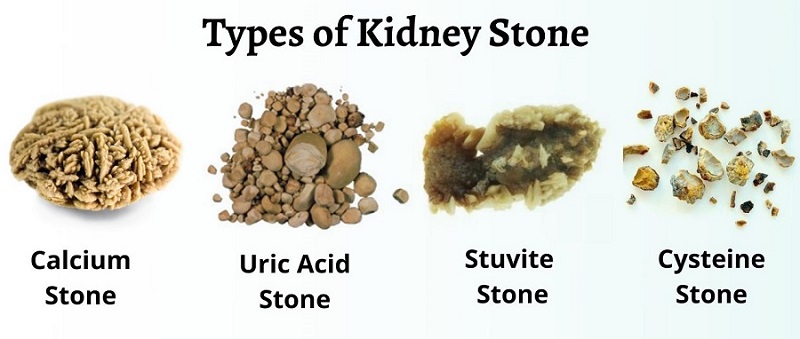
I had the unfortunate experience of having kidneys stones in both kidneys many years ago. Very painful, especially the second time where it took a whole week for that larger stone to pass through my ureter into my bladder. No pain killer no matter how strong it was dulled the pain at all apart from morphine. That’s how painful it can be!
Physically they are caused by poor water intake, lack of movement in that part of the body, eating certain foods that promote stones such as vegetables and leafy greens that are high in oxalates, other nutrient imbalances especially in the different types of salt caused by diet and/or other functionings of the other organs in the body.
I recommend “chanca piedra” which you can drink regularly as a herbal tea, for dissolving/breaking down stones in the kidneys, bladder, gall-bladder and elsewhere. It literally translates to “stone crusher” so I’m told. But obviously looking at diet with a good nutritionist or naturopath as well as exercising more are good physical things to look into as prevention. Otherwise it’s a case of taking pain killers! Receiving ultrasound blasts to break up the stones, or in some cases surgery to remove stones that are too large to go through the ureters is an option.
I will cover this disease again in more detail when I write a separate article on the kidneys however I will focus on the energetic side of the bladder and urethra part of the journey of a stone.
The stone itself can be described as crystalised anger, regret or guilt which in turn can relate to deeper fears. Note how these are the same emotions that affect the bladder directly as mentioned in the general section above.
The difficult stage of the stone’s journey for me was passing from the kidney and especially down the ureter towards the bladder. The kidney is all about deciding or becoming aware of something that would be good to remove from life. Many times I had people say I was holding onto anger but I was not really aware of it myself before the incident so it suddenly coming into my awareness and being released was the painful stage for me.
When both stones from each kidney incident reached my bladder and later passed out my urethra I literally had no pain whatsoever. I didn’t even use any of the medications they gave me to relax/enlarge the urethra. This indicated to me that once I had discovered this anger I originally wasn’t aware of, I had little or no resistance to letting it go. I moved on easily if you like.
If you ever experience having kidneys stones that get stuck in the bladder and/or are difficult to pass through the urethra then it indicates that you have trouble in letting go of that ball of anger/guilt/resentment.
Following a lot of the advice in the general section above will help energetically in terms of letting go of the old and creating the new.
In most cases stones do pass within a few hours or at most a week or so, so the physical solution is generally quick, however looking into why you got the stones in the first place working on the physical and energetic causes as a prevention not just for future stones but other urinary tract diseases is important.
Urinary Tract Infections (UTIs) (Incl. Cystitis)
UTIs are caused by bacterial infections to the bladder and/or urethra. They can cause the lining inside to get inflamed i.e. red and raw. In serious cases they can spread up towards the kidneys and cause kidney infections so it’s always good to resolve them sooner than later. Cystitis is the term we use when the infection is in the lower urinary tract only.
Sometimes there may be blood present in the urine due to the inflammation but one of the main symptoms is urgency to pee due to the soreness felt in the urethra and/or pressure felt in the bladder. Urinating stings in most cases.
Often UTIs can be fleeting and only last an hour or more especially if you keep drinking to flush out the bacteria and support your immune system with your diet and supplements. Cranberry juice is well-known to help but finding one without added sugar can be hard or more costly unfortunately. I say that because refined sugar promotes bacterial growth in the body.
If the UTI doesn’t disappear quickly and especially if fever or other symptoms start appearing, please go and see your doctor and get some antibiotics as that is likely your only option. Again research what you need to do to make up for the negative effects antibiotics has on your microbiome otherwise you’ll increase your risk of other issues around your body including your gut and birth canal as well as increasing your risk of more UTIs in future.
Physically many women get UTIs straight or soon after sexual intercourse due to foreign (from the man) or even local bacteria (i.e. from the woman’s own body) from other orifices making their way to the urethra opening. It happens in men too after intercourse but due to the fact that bodily fluids are mostly ending up inside the woman (depending on what you get up to!) and the short distance between other orifices and the urethra opening in women, they suffer the most.
Altering sexual positions/methods can help if you really suffer but focusing on better hygiene and other factors in both partners is more important. Women, that motherly advice of urinating after sex, and men washing your penis well before sex or using a condom (be aware of chemicals in condoms and other sexual aids however) if a lady asks, are useful practical bits of advice!
Prevention will always be better than cure so look also into the advice given in the general section above, including what underwear you use for example.
As I mentioned briefly in the general section, inflammation represents irritation, anger, annoyance and quite often there is blame of self or another behind that. Hence the term “pissed off” is used commonly to represent UTIs.
Quite often this pissed off scenario is aimed at someone of the opposing sex or a lover. Aside from the bacterial side mentioned above, the intimacy of sex also has an energetic component. Considering the emotional, mental and spiritual needs each person has from sexual intercourse and indeed of the relationship as a whole, is important to explore to resolve this anger between couples.
This energetic component may be stirred up more between a couple during sex due to the closeness of the act, hence why UTIs can so often happen after sex.
Outside of close relationships it is also easy to get pissed off with others at work or in other challenging situations. So UTIs can happen after sex because of someone or something occurring outside of the relationship itself and of course can happen at any time without sex. I say this because it can be all too easy to blame your sexual partner when the main stimulus was not from them, and of course blame is something to avoid because it is one of the main emotions stirring up UTIs in the first place.
Remember that the anger related to the blame and pissed-offness is because of not getting what you want or need in some way. Exploring and working on why you are not happy and what you can do about it and especially actually going and doing it is the solution to anger disappearing not just from the bladder.
The other big emotion that can cause UTIs is guilt. This can cause inflammation because guilt is like a self-punishment and is one of the lowest vibrational emotions you can have. Like any emotion, guilt should be a message. A message that something you did in the past wasn’t for your or another’s best interest.
Ideally you should notice the guilt and start questioning why you have that guilt and once you’ve worked out what to do or not do and thus not harm yourself or another in future, the guilt should disappear. Especially once you realise you will not do the negative thing you did before and hence are a different person now, who does not deserve that judgement any more.
Sometimes people wear guilt like a badge of honor because they think if another realises that they are guilty towards them, they might interpret it as being thoughtful and caring. Far better to let it go and instead actually do something that betters that other person!
Sometimes too guilt is felt when actually you do nothing wrong at all. Maybe it is cellular memory happening. Maybe it is an outdated or false belief in society making you feel that way. Logically discussing any scenario in your mind can often expose this sort of thing as false and help you release the guilt once you realise you aren’t actually in the wrong nor have you harmed another.
As I often mention with emotions, it can sometimes be hard to tell whether an emotion is coming up because of a present situation or whether it is coming up because you are actually clearing the past by doing something productive in the direction of life you truly wish.
Emotions will often surface when you are doing the right thing because those old emotions are no longer a match to the new you, so have to come to the surface to be cleared. So in saying that, sometimes a UTI might occur because you have been moving forwards. If however you get repeated UTIs then you have to question if you are holding yourself back from the new.
With UTIs, again the same advice of letting go and creating the new is important to resolving them as with other . So the advice is the same as mentioned in the general section above.
Because there is also a feeling or urgency that comes with UTIs, please look in the last section about management of resources. Urgency is often a signal from the body to slow down, reflect, recuperate, heal and generally look after yourself.
I hope you’ve enjoyed this article as much as the others on the relationship of physical symptoms to spiritual issues. Let me know if there’s anything in particular you’d like to see in future by emailing me.
